 Good Wool Collective
Animal Welfare
Why animal welfare is central to wool sourcing
Animal welfare is no longer a niche concern: it is central to responsible sourcing, brand credibility and consumer trust. For many brands, the question customers ask most is whether their wool is free from mulesing. But welfare covers the entire lifecycle of a wool-producing sheep, from lambing to end of life, and the most critical risks along the way include mulesing, tail docking and castration, shearing injuries, chemical exposure, transport and slaughter.
Mulesing was originally developed to prevent flystrike in Australian sheep, but it is a painful procedure, still used on an estimated 70% of sheep there, reportedly without pain relief at the moment it is done. Alternatives exist: breeding sheep with less wrinkled skin, strategic use of insect growth regulators, and better pasture and feed management. In New Zealand, where about half of merino farms once mulesed, growers supplying one large broker stopped within about three years, and the practice was banned by law in 2018.
Standards such as RWS, ZQ Merino, NATIVA, GOTS and SPCA Certified offer important frameworks, but they cover different things, and no standard is perfect. Brands are encouraged to do their due diligence, understand the context in which a standard is applied, and wherever possible visit the farm.
Key takeaways for brands
- Look beyond mulesing. Ask how your wool’s standards and suppliers handle tail docking, castration, shearing, chemical use and the end of an animal’s life.
- Check whether pain relief is required for tail docking and castration, not only allowed, where it is available.
- Understand what each standard actually covers before relying on it. Standards differ, and none covers everything, such as what happens to sheep after their productive life.
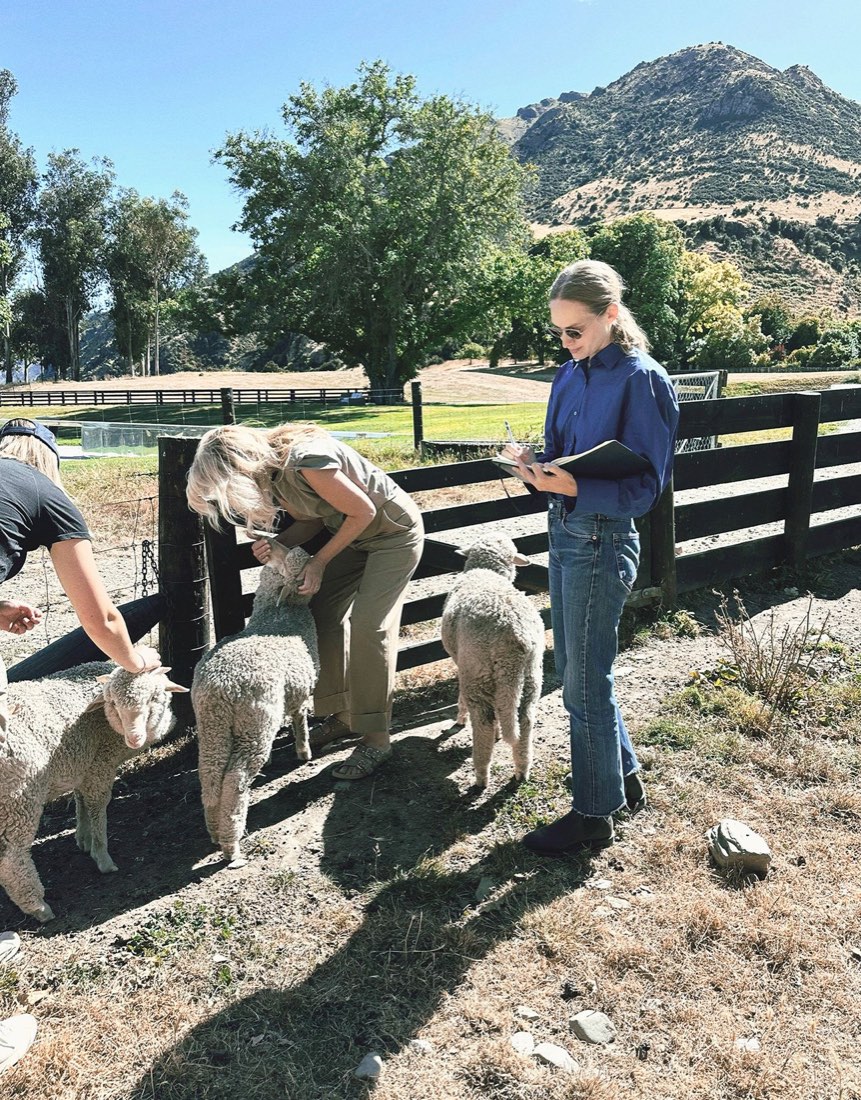
- Ask how shearing is managed: how shearers are paid, whether each sheep can be traced to its shearer, and how the shed is checked.
- Visit the farm, or build direct relationships with growers, where you can. It builds trust, and the stories brands can tell.
Topical questions
What are flystrike and mulesing?
How can farms stop mulesing?
How is tail docking different from mulesing?
Can shearing be done better?
What happens to sheep at the end of their productive life?
How can a brand assess a welfare standard?
Do certified farms earn more?
Watch Related Sessions
Session · 19 June 2025
Wool and Animal Welfare
This conversation delves into the critical issues surrounding animal welfare in the wool industry, focusing on practices such as mulesing, tail docking, and shearing. Experts from various sectors discuss the implications of these practices on animal welfare, the importance of certifications, and the evolving standards in the industry. The dialogue emphasizes the need for transparency, ethical sourcing, and the role of technology in improving animal welfare. The panelists share insights on how brands can navigate these challenges while maintaining a commitment to ethical practices.