 Good Wool Collective
Treatments
Why wool treatments matter
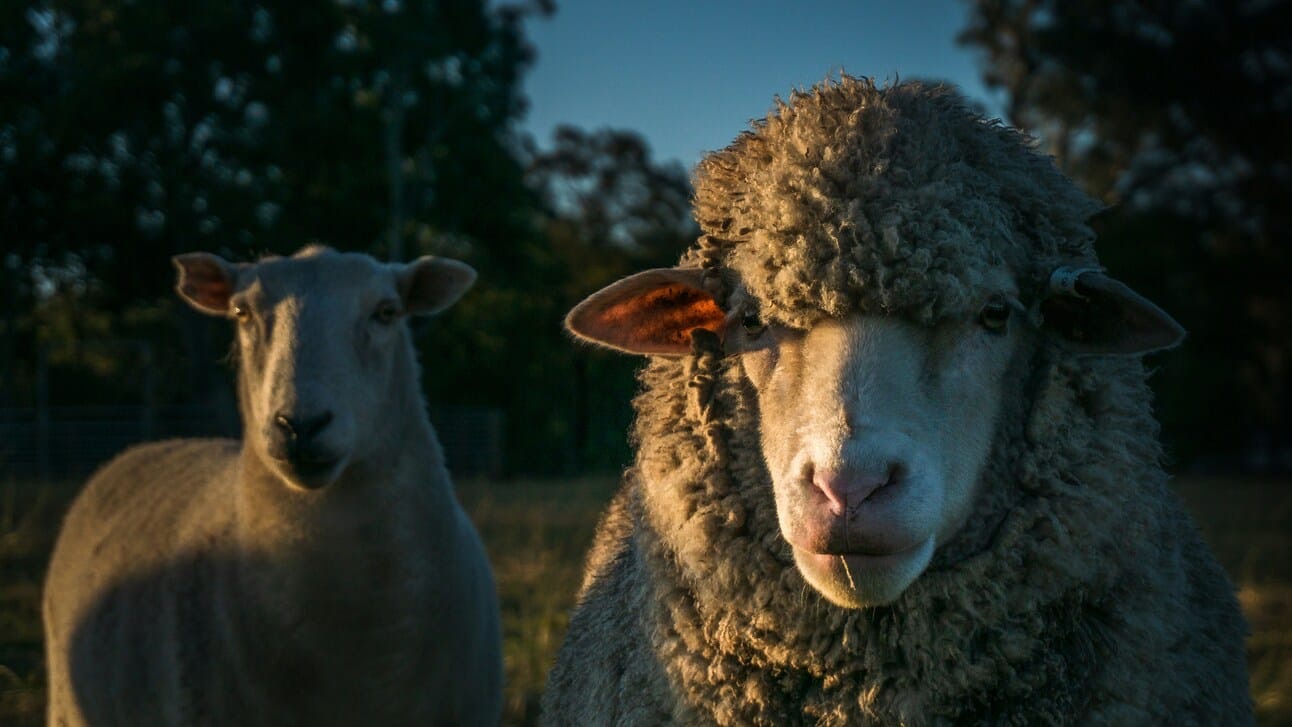
Wool is an extraordinary fibre. Sheep have been blessed with the best overcoat: wool keeps them warm when it is cold, cool when it is warm, and, thanks to lanolin, dry in wet conditions. These same properties make wool a sought-after textile, but the treatments wool undergoes in the supply chain can strip away its natural benefits.
From on-farm chemical treatments to scouring, dyeing and finishing, wool passes through many processes, and brands need to know what to be aware of to ensure safer, better treatments for both people and nature. Wool itself is naturally fire-retardant, anti-odour and moisture-wicking, yet harmful substances can still appear in wool: in one study of secondhand clothing collected around the world, APEOs, a group of toxic chemicals, were found in almost all wool samples and chromium in nearly 9%.
The most widely used treatment, superwash, treats wool with chlorine and coats it with a polymer resin, making it machine washable at an environmental cost. Alternatives such as EXP, plasma and enzyme treatments preserve more of wool’s natural qualities, but each has limits. Natural dyes are a promising area of innovation, but they still require additional chemicals to ensure longevity and commercial viability. Wool undergoes fewer chemical treatments than most other textiles, but harmful contaminants can still be present. Transparency, strong supplier relationships and third-party testing are critical for safer wool treatments.
Key takeaways for brands
- Map your value chain beyond the final supplier. A knitter is likely to buy the most affordable yarn, and the dye house and mill will buy as cheaply as they can, unless you know and choose them.
- Test your products, ideally through your own third-party testing, because supplier test reports are not always reliable.
- Ask your suppliers which finishes and dyes they use, where the dyes come from and how they are certified, and ask for proof. A supplier unwilling to say what it uses is a warning sign.
- Ask whether your wool is superwash-treated, and consider the alternatives: EXP, plasma or enzyme treatments, or untreated wool.
- Tell customers how to care for wool without dry cleaning: spot cleaning and airing are usually enough.
Topical questions
What should a brand ask its suppliers about treatments?
What should a brand double-check about GOTS-certified dyeing for organic wool?
How do the chemical labels differ?
How can a brand manage chemicals in recycled wool?
Do wool products need flame retardants?
Watch Related Sessions
Session · 27 January 2025
Wool Treatments in the Value Chain
In this session, Lisa is joined by author and investigative journalist Alden Wicker, as well as dye master for Dilling Charlotte Høgedal.