 Good Wool Collective
Knowledgebase · 11 min read
European wool: what is there, what it offers and how to start
The state of Europe’s wool, what it can offer brands in traceability, welfare and storytelling, the obstacles of lead time and minimums, and the routes in for a brand that wants to use it.
Updated 9 October 2026
What “European wool” means
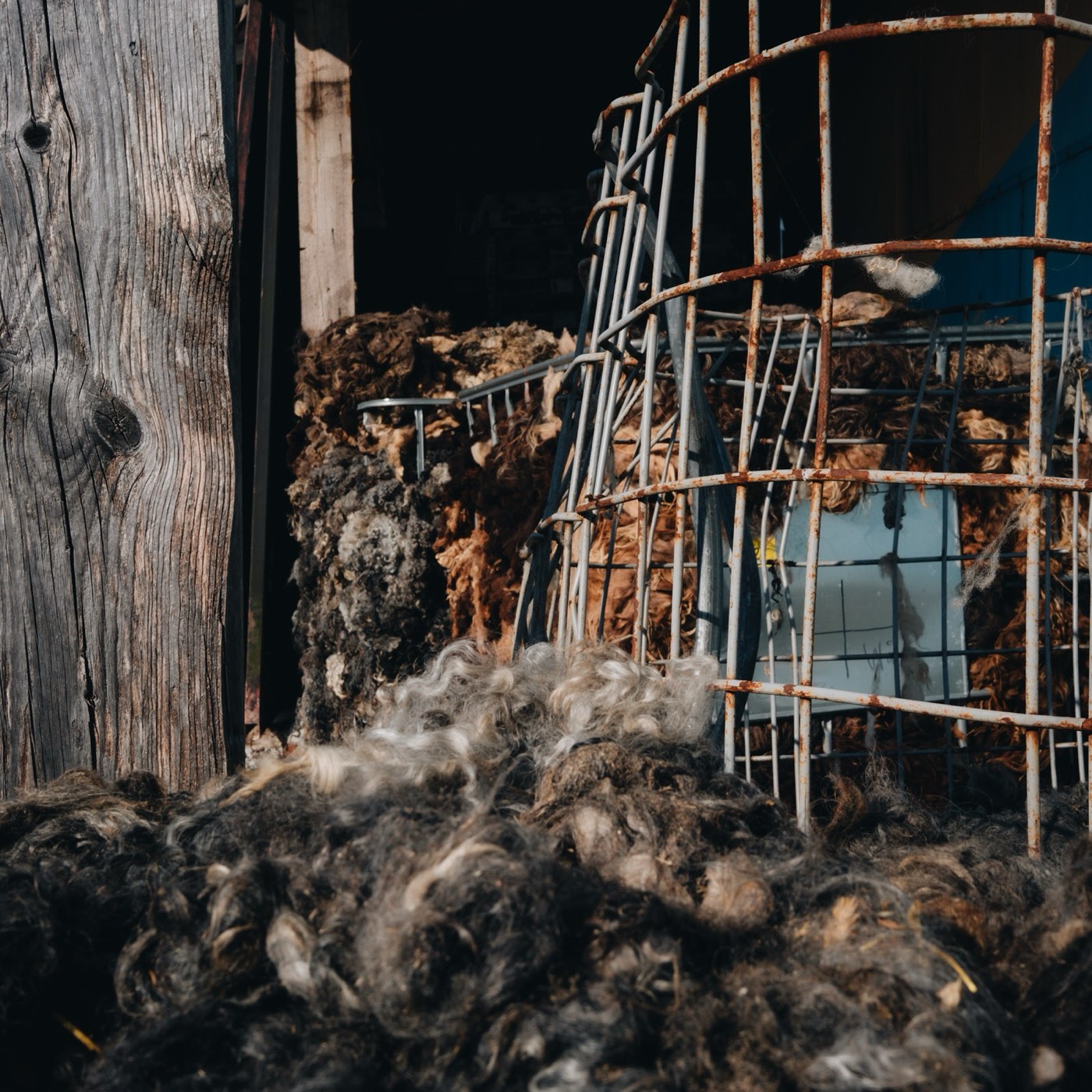
European wool is wool grown on farms in Europe, from the continent’s own breeds. It is less a single product than a range: from fine Spanish merino to very coarse wools. A few terms recur throughout this guide.
- Breed decides much of what a wool can become: its fineness, its crimp (the natural wave in the fibre), its length and its handle. Some wool has a lot of crimp; some is almost straight.
- Micron is the measure of fibre diameter: the lower the number, the finer the wool.
- Greasy wool is wool as shorn, before scouring (washing). Tops are scoured wool that has been combed into a continuous, parallel strand ready for spinning.
- Domestic wool is wool used in the country, or region, where it is grown.
- Transhumance is the seasonal movement of flocks between grazing areas, traditionally on foot.
- The clip is the wool shorn from a flock, or a country’s flocks, in a season.
This guide is written from the Good Wool Collective’s April 2025 session on European wool, a panel of a British wool specialist, an Italian wool supplier and a Swedish member brand, and from its Substack posts.