 Good Wool Collective
European Wool
Why European wool deserves a closer look
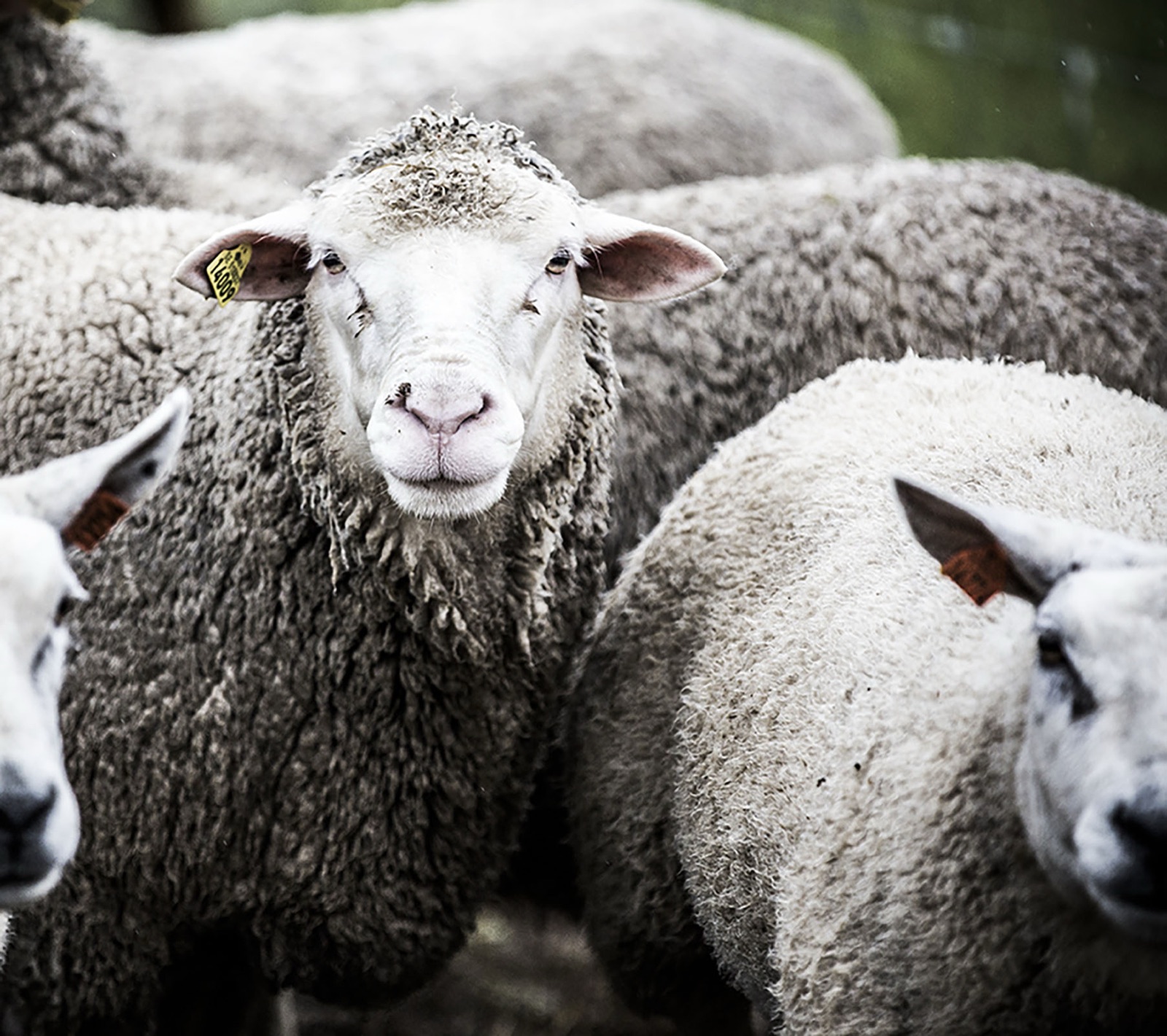
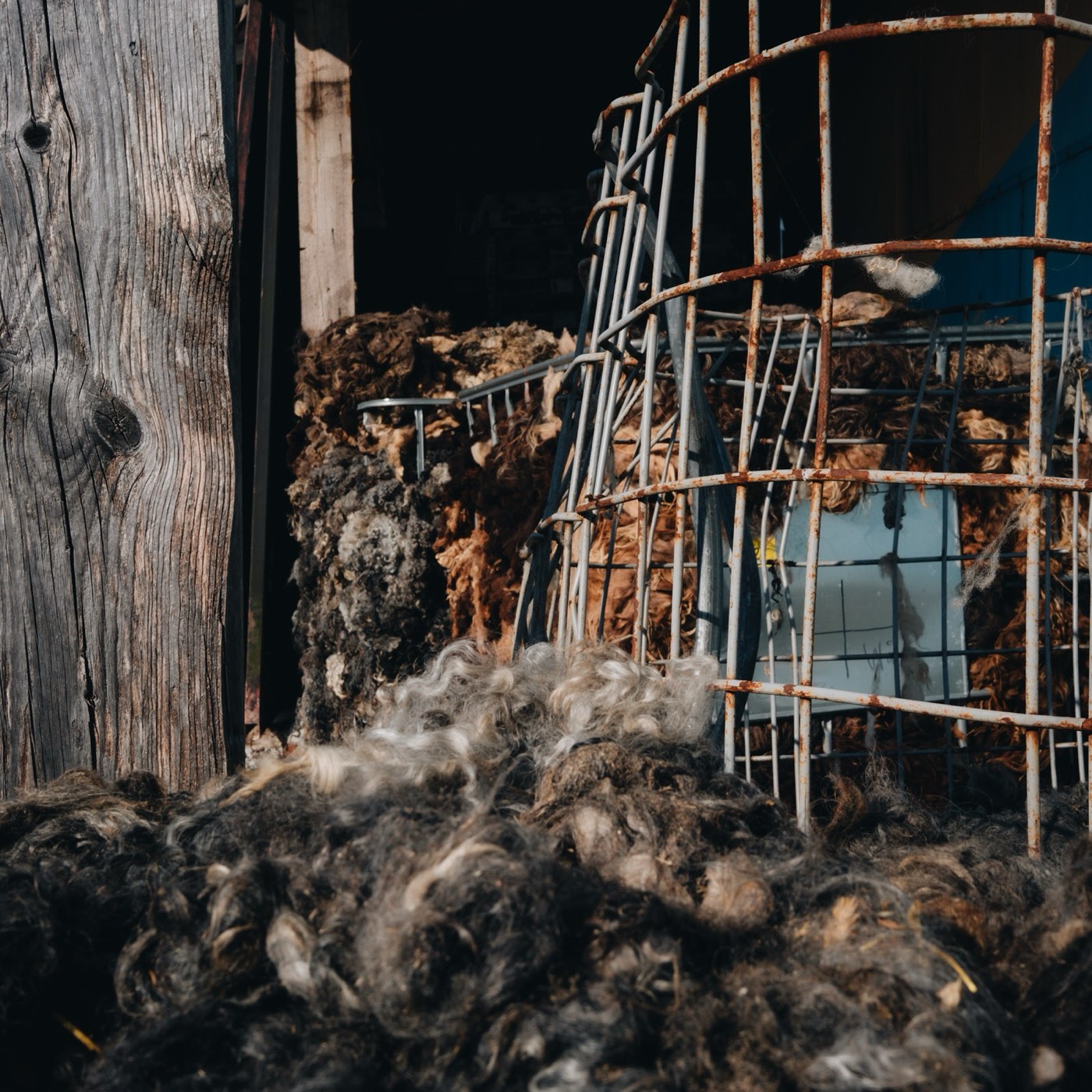
Wool is one of Europe’s most underutilised natural resources. Every year, vast amounts of wool go to waste: burnt, buried, discarded, or shipped overseas for processing to countries like China and India. These trends have led to the decline of wool processing facilities across Europe. Yet Europe is home to over 75 million sheep and more than 200 recognised breeds, offering incredible diversity and potential for brands willing to look closer to home.
As brands commit to stronger environmental goals, interest in European wool is on the rise, creating new opportunities to support local farmers and revitalise the industry. Brands must create demand for local wool to bring these regional industries back. Sourcing European wool can offer strong traceability, high animal welfare standards and rich storytelling opportunities rooted in place, breed and people, and potentially a lower carbon footprint for European brands than sourcing from the likes of Australia.
Europe produces an incredible variety of wool, including premium merino. But variety brings a challenge of its own: until you know exactly what breed goes into a yarn, you cannot know how it behaves.
Key takeaways for brands
- Start from the breed. Each breed’s wool behaves differently, so find out which breeds are available near you and what their fibre is suited to, from fine knitwear to tweed, blankets or filling.
- Plan for long lead times. Buying fibre rather than fabric can mean committing almost a year ahead, often for more than one collection.
- Share minimums with other brands. A joint order spreads the cost and risk of a first batch.
- Ask suppliers for traceability you can check: named partners at each step, not only a country of origin.
- Tell the story. The breed, the region and the farmers are part of the product, and give customers more to judge than softness and price.
Topical questions
How can a brand start buying European wool?
How long does it take, and how much do you have to buy?
Does European wool have a lower carbon footprint?
How can a brand get animal welfare assurance without the Responsible Wool Standard?
Can brands collaborate to reach minimum quantities?
What are the biggest myths about European wool?
Does the origin story help sell European wool?
Watch Related Sessions
Session · 28 April 2025
European Wool
Our fourth Good Wool Collective session explores the complexities of the European wool industry, discussing its challenges, opportunities, and the importance of lower environmental impact and animal welfare.