 Good Wool Collective
Regenerative Farming
What regenerative farming means for wool
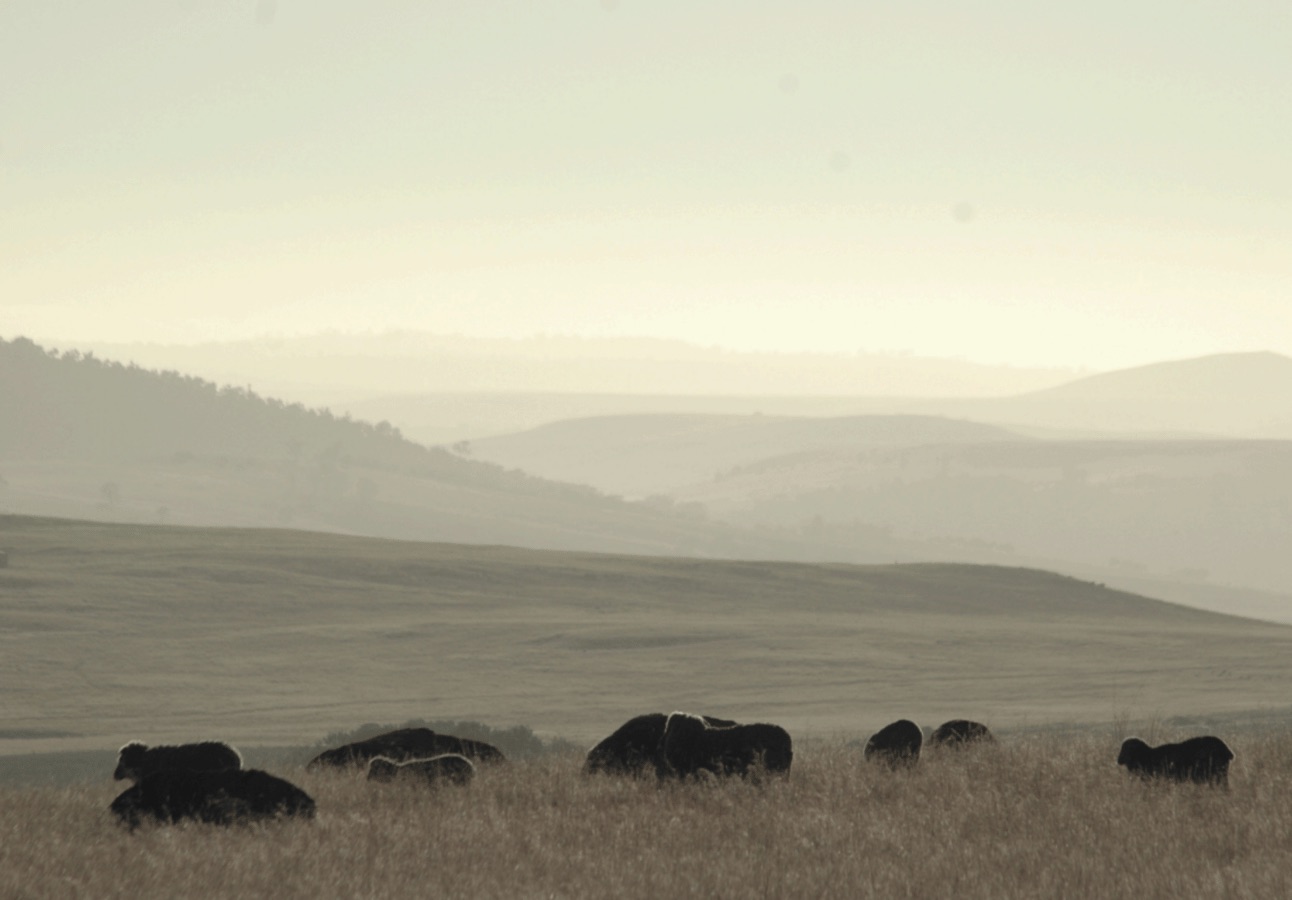
Regenerative farming is an approach to agriculture that focuses on restoring ecosystems and improving soil health. There is no single agreed definition. Practices often associated with it include limiting soil disturbance, keeping the soil covered all year, keeping living roots in the ground, promoting biodiversity and crop rotations, and integrating livestock with arable farming. For wool, the practice most often discussed is rotational grazing: sheep graze a paddock for a short time, then move on and leave the pasture a long rest.
Brands that want to buy regenerative wool, or to reduce the emissions of the wool they already buy, will find programmes that approach it in different ways. Some set out the practices a farm must follow; others measure outcomes over time, such as ground cover, plant and bird species or carbon stored on the farm; several combine the two. They also differ in what kind of scheme they are, in whether carbon in the soil can yet be measured well enough to count, and in how far the wool can be traced back to its farms.
Regenerative farming asks a lot of farmers: changes in how they manage the land, measurement over several years, and the cost of that measurement. Long-term buying relationships help them make the change. Any claim a brand makes about regenerative or carbon benefits needs evidence in proportion to its strength. This topic is general guidance, not legal advice.
Key takeaways for brands
- Ask what a programme means by regenerative: which practices it requires, which outcomes it measures, how often, and from what baseline.
- Find out what kind of scheme it is and who verifies it. A certification, an index, a farm programme, a broker’s verification and a co-investment scheme check different things, and that affects what you can say about the wool.
- Ask whether carbon figures include soil carbon, and whether they are measured on the farms or modelled, before you use them in a footprint or on a product.
- Plan for a long-term commitment. Farmers need to know their wool will be bought before they change their practices, and programmes add farms as brand demand grows.
- Check animal welfare separately. Regenerative and welfare requirements are often set apart, and many programmes rely on a farm standard such as RWS alongside their own.
Topical questions
What is rotational grazing?
Is every regenerative programme a certification?
Are carbon figures measured on each farm?
How can a farm that has farmed regeneratively for years show results?
Can regenerative farm data lower the footprint of a brand’s wool today?
Do farmers get paid more for regenerative wool?
If wool from many farms is blended, can it still be traced?
Is regenerative wool always non-mulesed?
Watch Related Sessions
Session · 21 November 2024
Regenerative Agriculture in Action
“Regenerative” is the word of the moment in fashion and farming circles, but what does it actually mean?